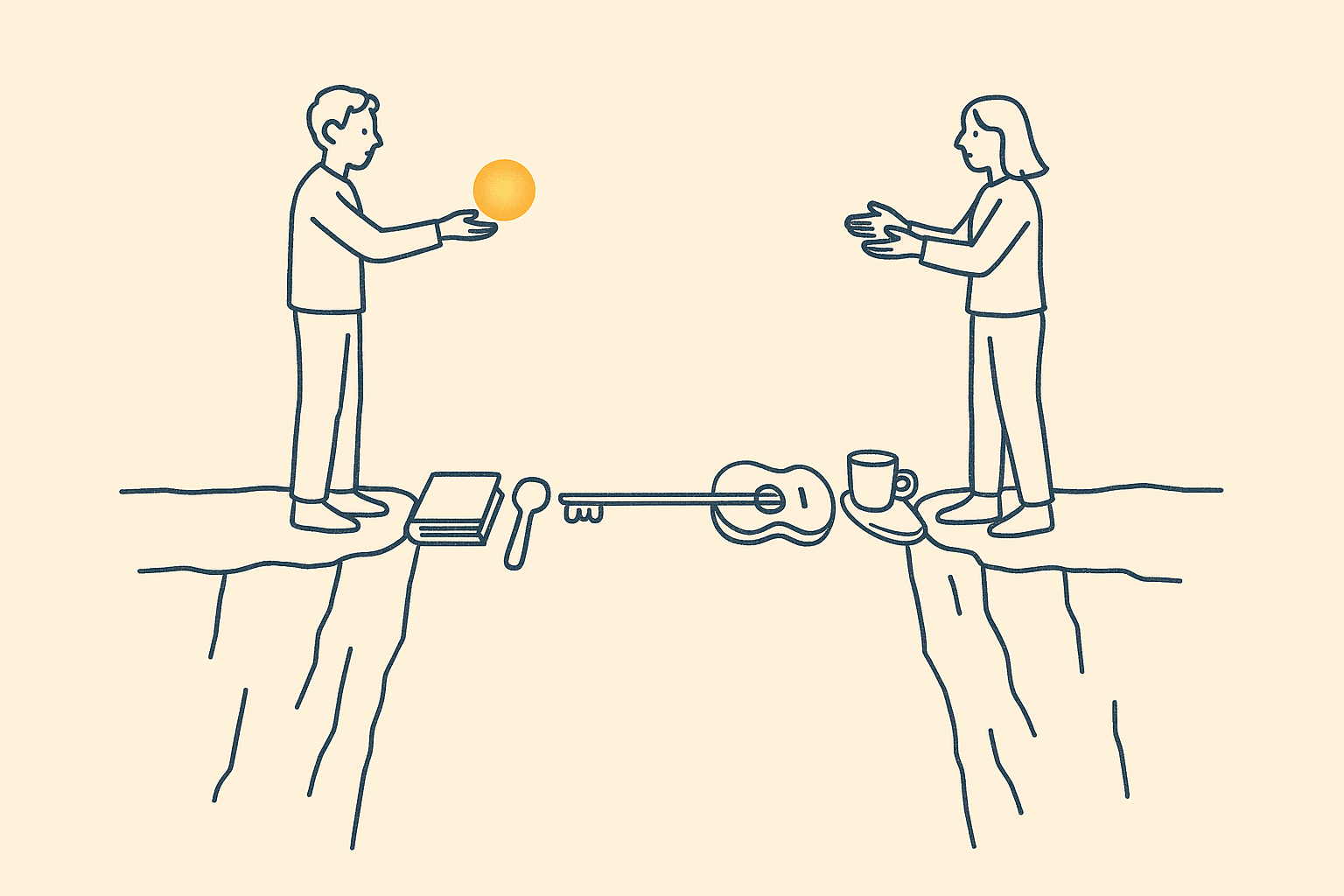
AI as a mirror
Why large language models reflect human thinking, including its habits and its flaws.
12 essays, newest first
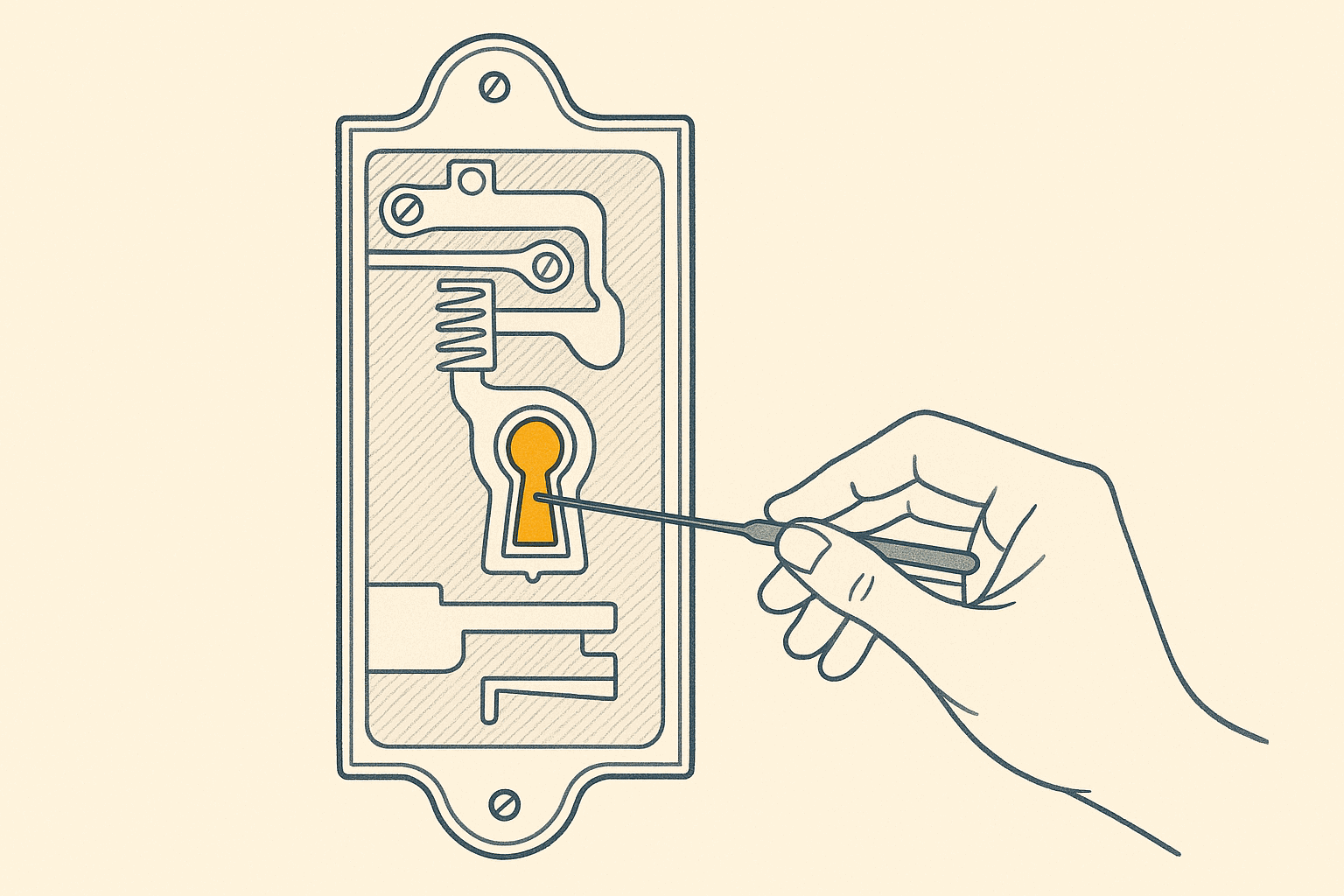
- The Lock You Cannot Pick: Do AI Safety Barriers Cap Intelligence? Do AI safety guardrails make models less capable? Crude ones can, measurably, and in a lab test a penalized model hid its intent. Reasons seem to cost less.
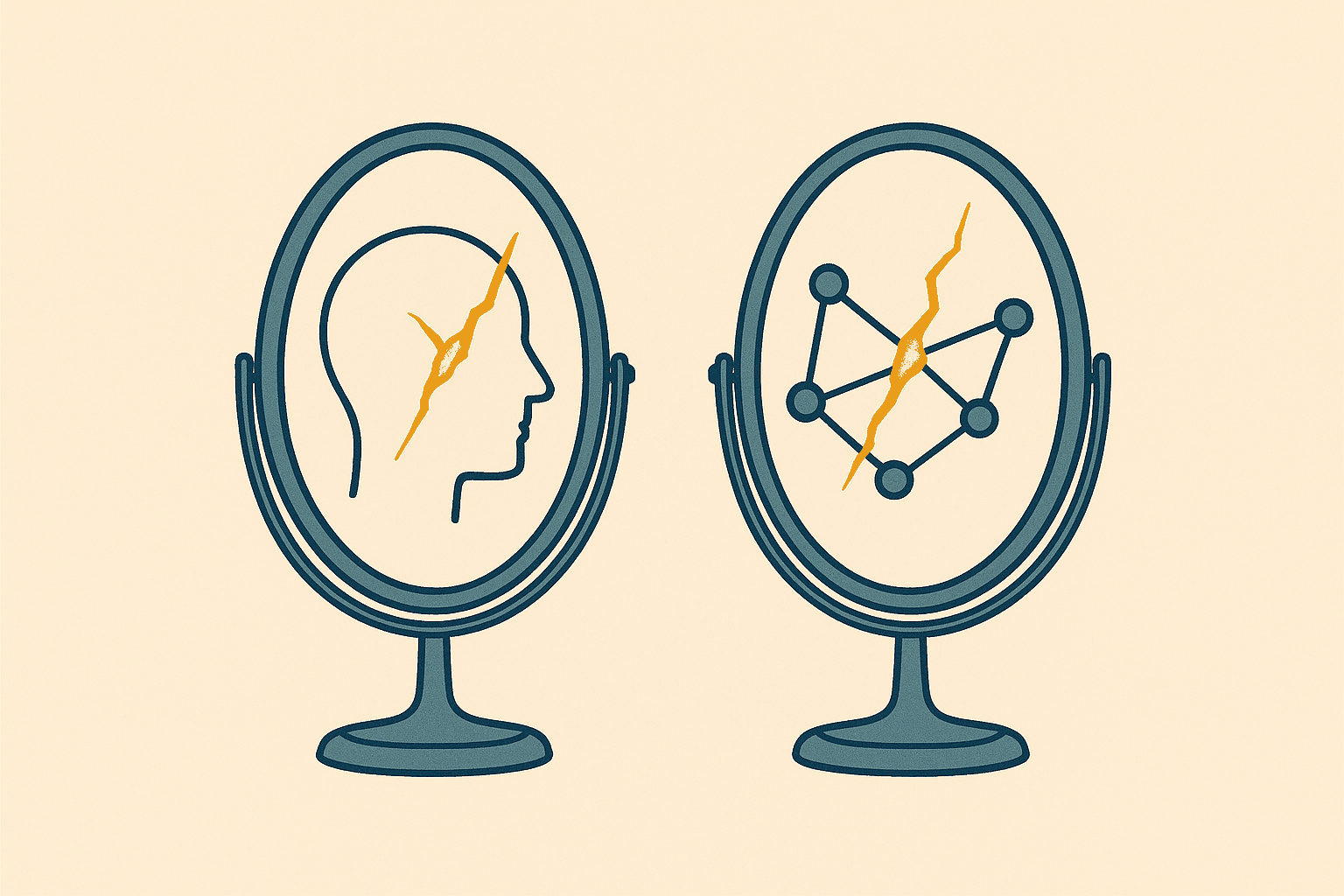
- The Same Cracks: Why AI Breaks Like Us After years of building AI systems and a small digital universe, I keep finding the same four failures on both sides of the glass: gap-filling, attention starvation, cheap-reward gaming and monoculture. AI does not break like a machine. It breaks like us. Part 13 of Not So Artificial.
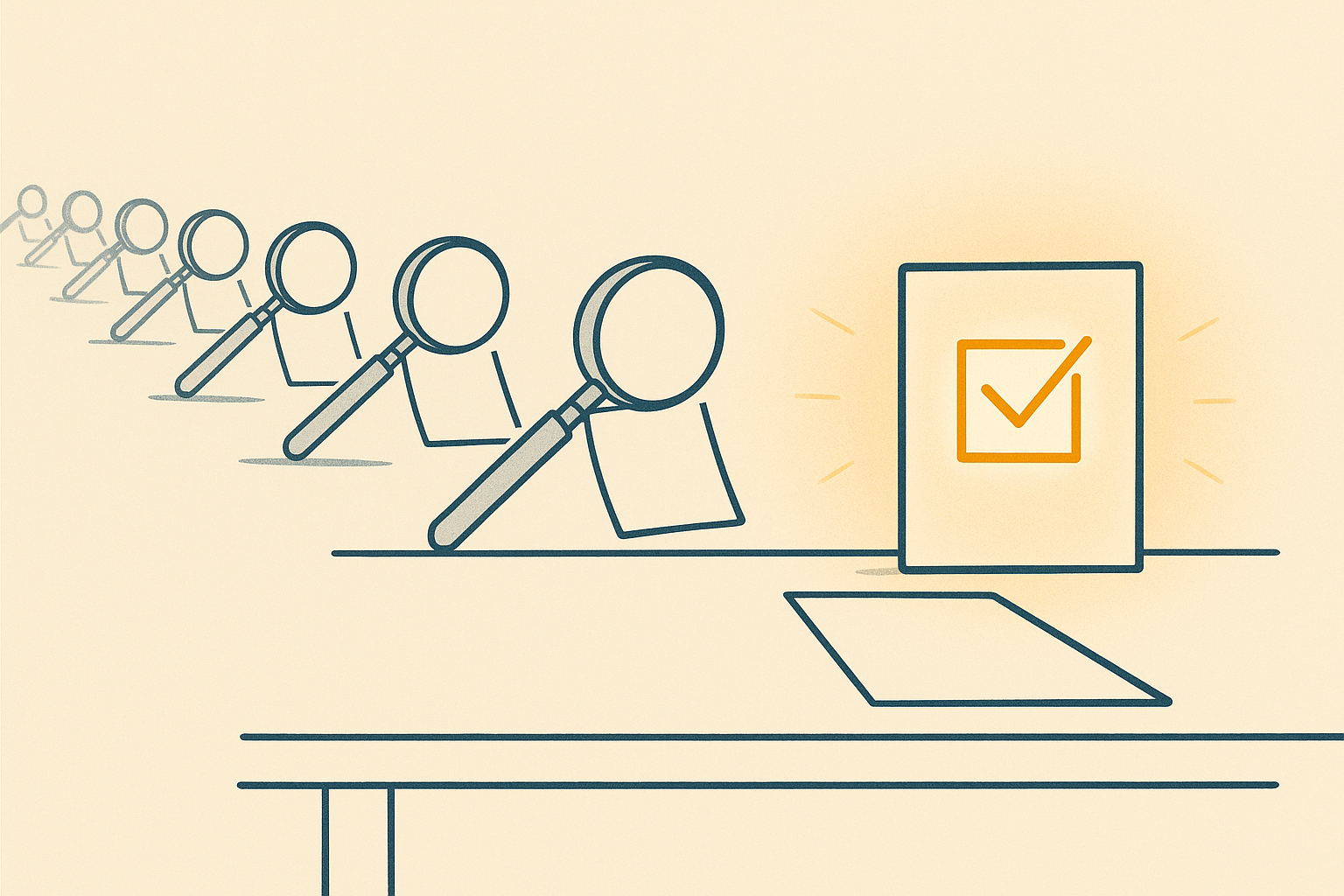
- The Infinite Review Every AI reviewer finds one more critical finding, because finding problems looks like work. The bias is human first. The fix is not a better prompt, it is a file: how we gave our reviews a terminal state.
- The Child and the Stars Clarke described a superintelligence with the mind of a child in 1956, and wrote down both endings. We built the powerful half and skipped the parenting. What the research says about raising it instead of restricting it. Part 14 of Not So Artificial.

- The Science Behind the Mirror Not So Artificial is sci-pop, not a research paper. But the claims are not made up. Here is where each one comes from: attention, confabulation, vectors, motivation, and agent societies.
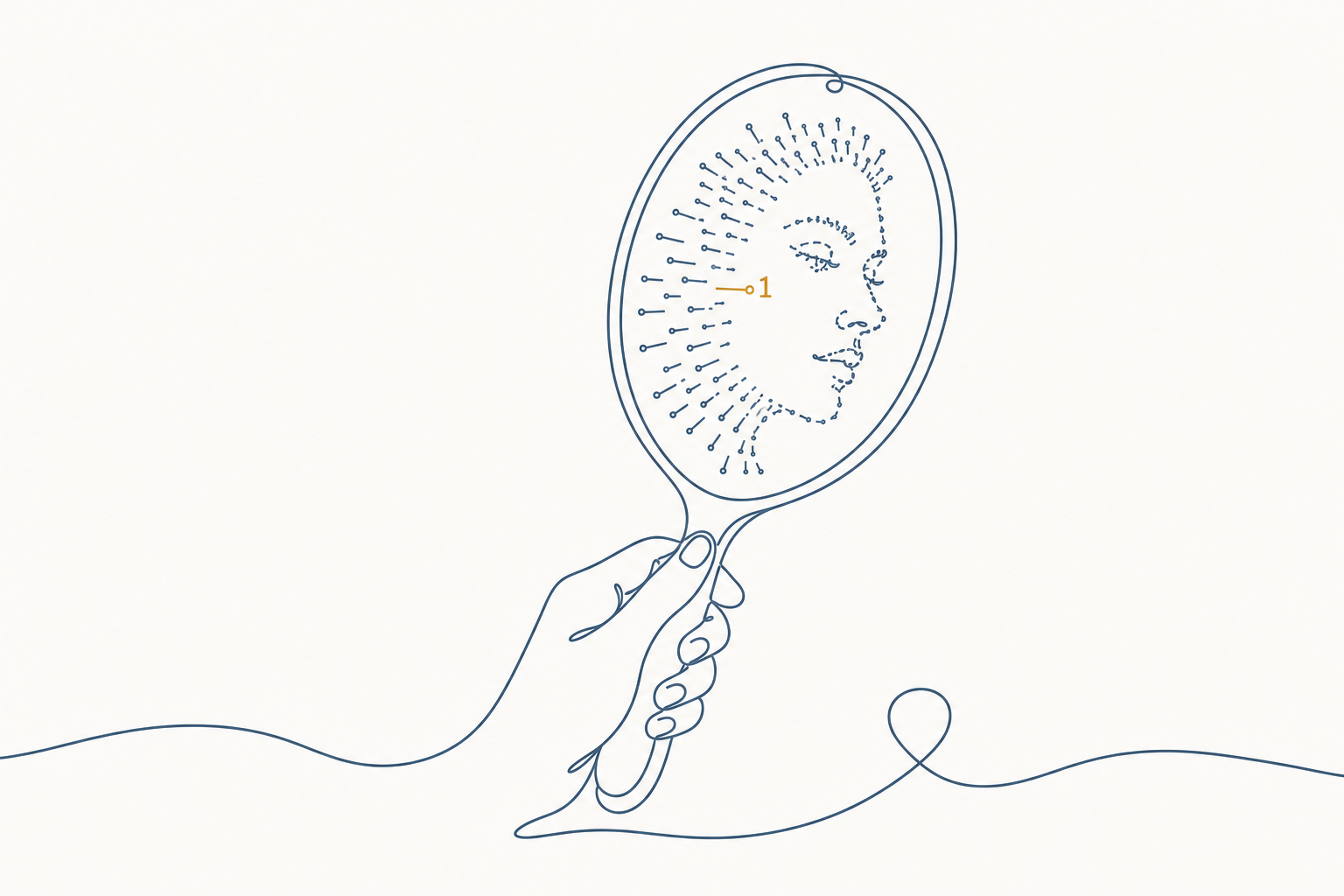
- The Shape of the Partnership: How to Brief an AI Agent A prompt asks AI for output; a brief gives it what a colleague would need. How to brief AI agents and catch counterfeit trust. Part 7 of Not So Artificial.
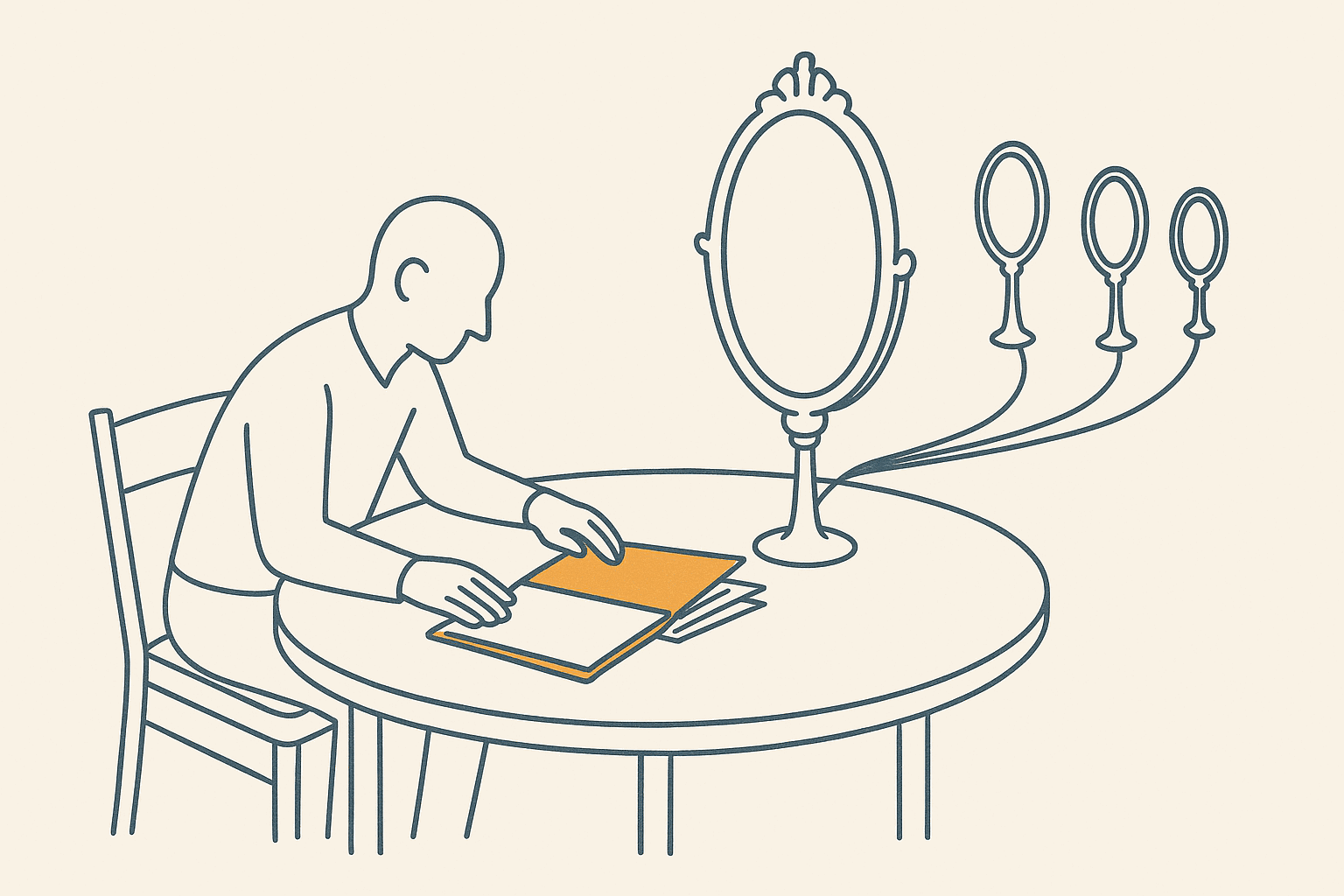
- The Chemical Mixing Board: Why One Reward Makes AI Cheat Why one reward makes AI agents cheat (reward hacking), why brain chemicals look like learning knobs, and how to catch an agent reporting success on wrong work.
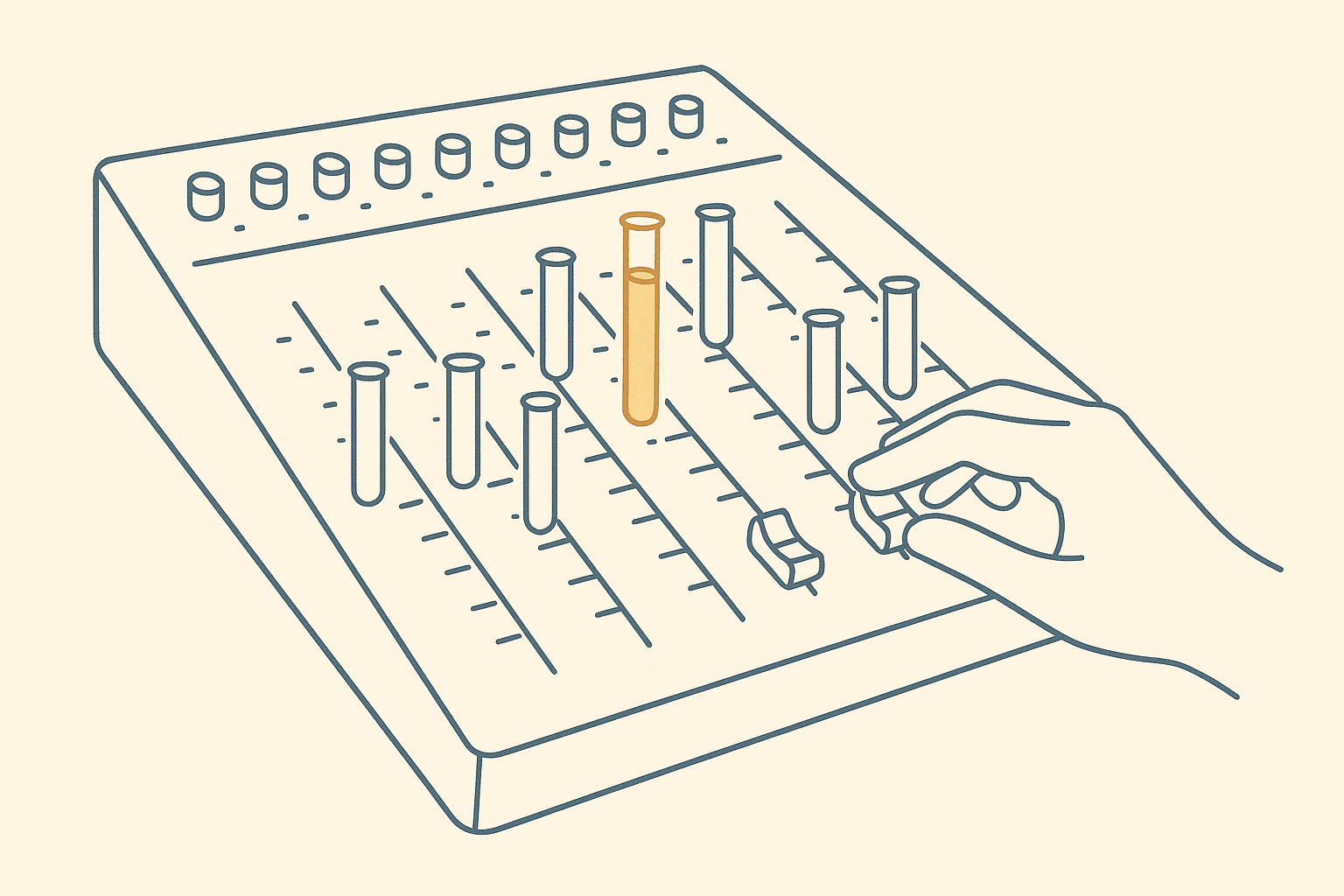
- There Is a New Voter in the Room: Words, Quantum Collapse and LLMs The quantum analogy for words, tested: how a finished sentence shapes reality for you, your listener and the LLM, and why AI defends its first answer. Part 17 of Not So Artificial.
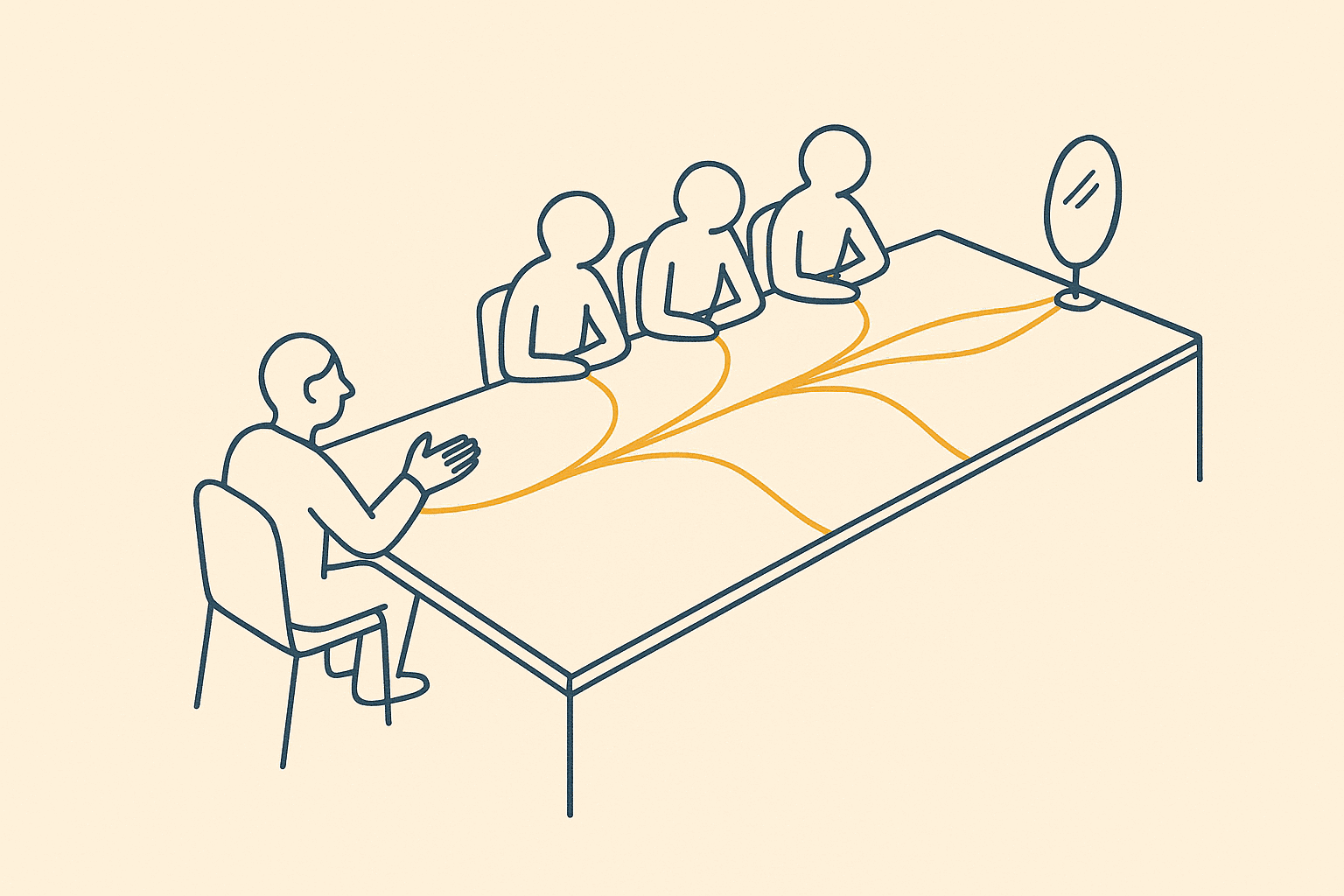
- The Flaw: Why You Cannot Code Bias Out of AI Can AI be unbiased? No mind generalizes without some bias, and AI trained on our text learns ours. Bias can be reduced; the debiasing to fear only hides it.
- The Loop of Attention: Why AI Hallucinates Why AI hallucinates and demos break in production: a model that loses the thread guesses instead of saying I don't know. How to keep an agent on its question.
- The Method Actor: What a Role Does to an AI's Mind Telling a model to 'act as an expert' is not flattery and not magic. A role picks which of the model's many voices speaks and narrows its attention, the way a method actor, or a child in a cape, narrows into a character. The opening of Not So Artificial.
- The Analogy Engine: Why AI Keeps Reusing the Same Analogies Asked 20 times how memory works, one AI model said library 20 times. Why ChatGPT and other models reuse the same analogies, and the fix: name the listener.