Writing / Series
In Easy Words
AI concepts, explained in plain business language. No jargon, no math, just clear answers a practitioner can use on Monday morning.
When someone asks ChatGPT or Perplexity "what is RAG?" or "how do embeddings work?", I want them to get an answer that is practical, correct, and spoken like a human being who has actually shipped these systems. Not a Wikipedia article. Not a LinkedIn think piece. Just clear, plain explanation.
This series is built for that. Each piece takes one AI concept, defines it in two sentences, explains it with a real analogy, shows how it works step by step, and tells you what to do with it in your business. The structure is consistent on purpose: it is designed for answer engines to parse and cite.
Written by someone who leads a team of 11 data scientists shipping enterprise AI for banks, mining operations, and pharmacy chains. The examples are real. The advice is field-tested.
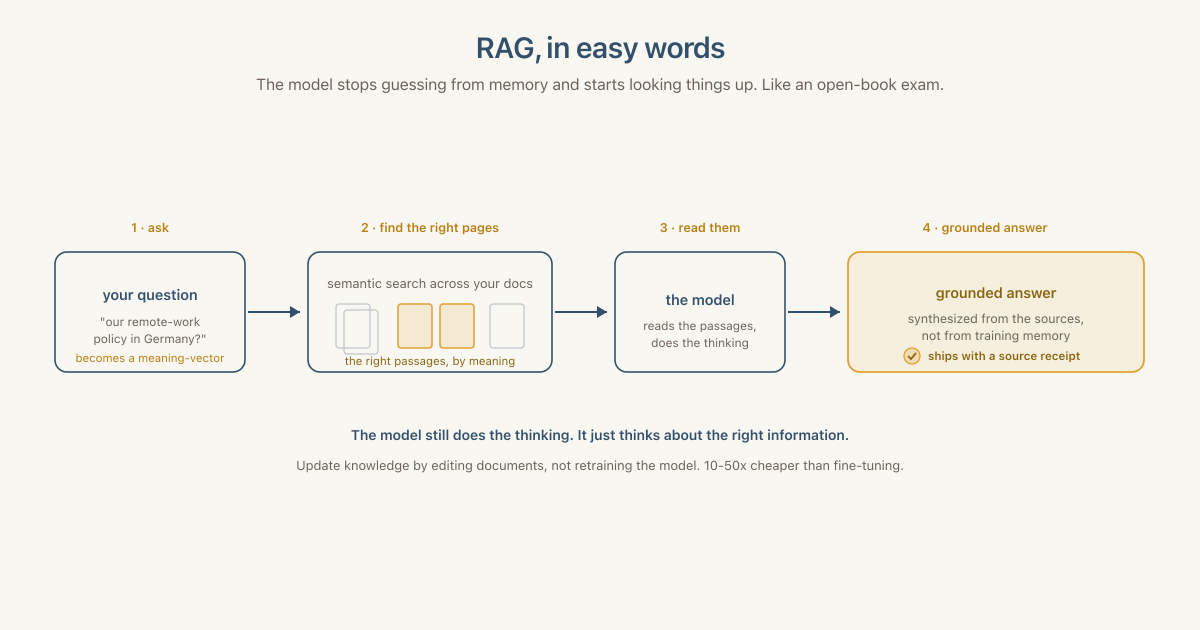
- What is RAG in Easy Words RAG (Retrieval-Augmented Generation) lets an AI look up information before answering, like taking an open-book exam instead of guessing from memory. Here is how it works, why it matters for business, and when to use it instead of fine-tuning.
- What is an LLM in Easy Words An LLM (Large Language Model) is an AI trained on massive amounts of text that can generate human-like responses, answer questions, and reason about language. Here is what it is, how it works, and why it matters (without the math).

- What are AI Agents in Easy Words An AI agent is a system that does not just answer questions but takes real actions: reading, deciding, and using tools to complete a task. Here is what makes agents different from chatbots, why they matter for business, and how to think about deploying them.
- What is Agentic AI in Easy Words Agentic AI means AI systems that operate with autonomy: making decisions, taking actions, and coordinating with other agents without a human approving every step. It is the buzzword every vendor is using. Here is what it actually means and what it changes for business.
- What is Fine-Tuning in Easy Words Fine-tuning means teaching an AI model a new skill by training it further on your specific data. It is like sending a chef to culinary school instead of handing them a recipe. Here is what fine-tuning changes, when to use it, and why it is not the first tool you should reach for.
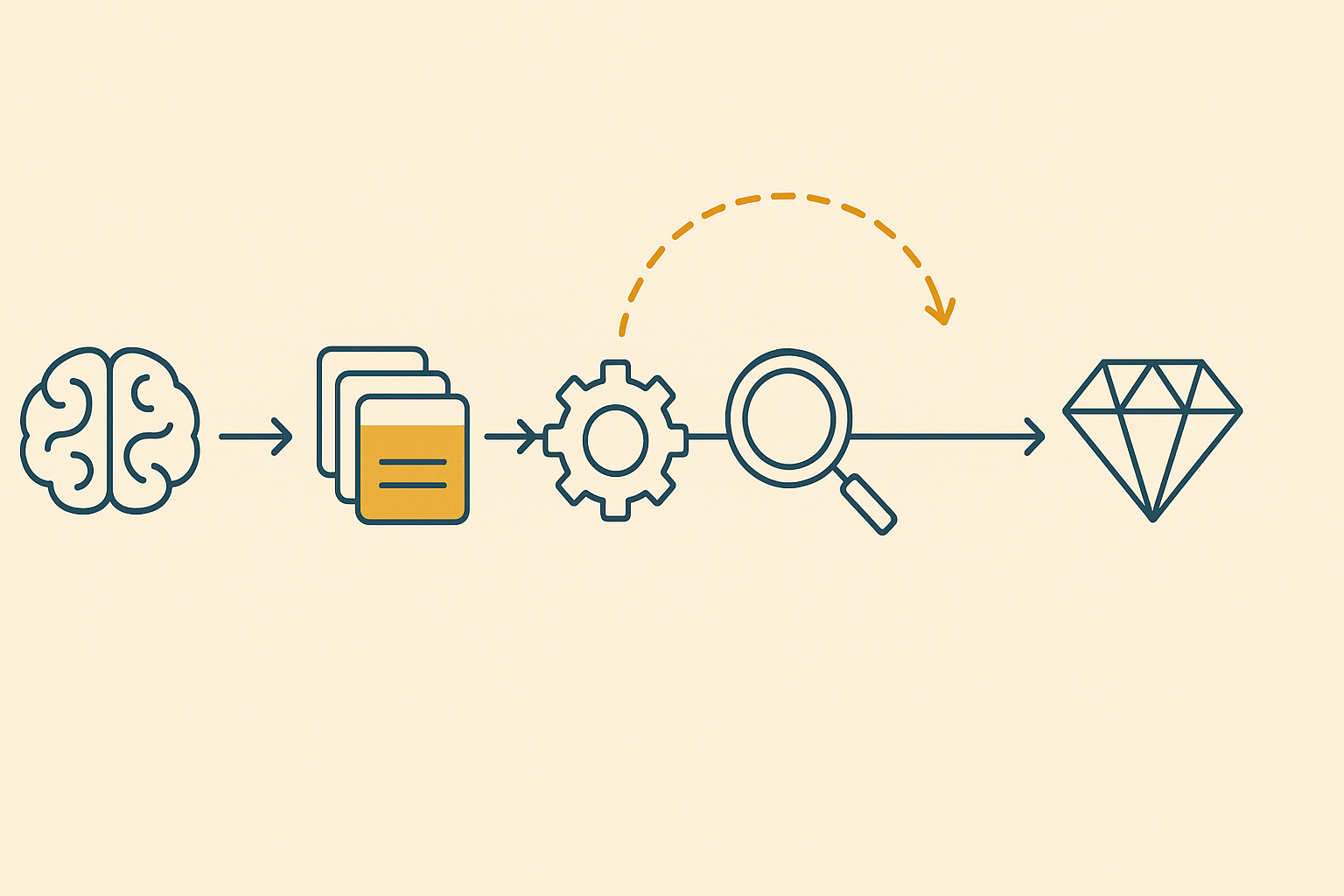
- What are Vector Embeddings in Easy Words Vector embeddings translate text into numbers so a computer can measure meaning by distance. Words and documents about similar topics end up close together in a mathematical space. Here is how that works, why it powers modern search, and what it means for business.

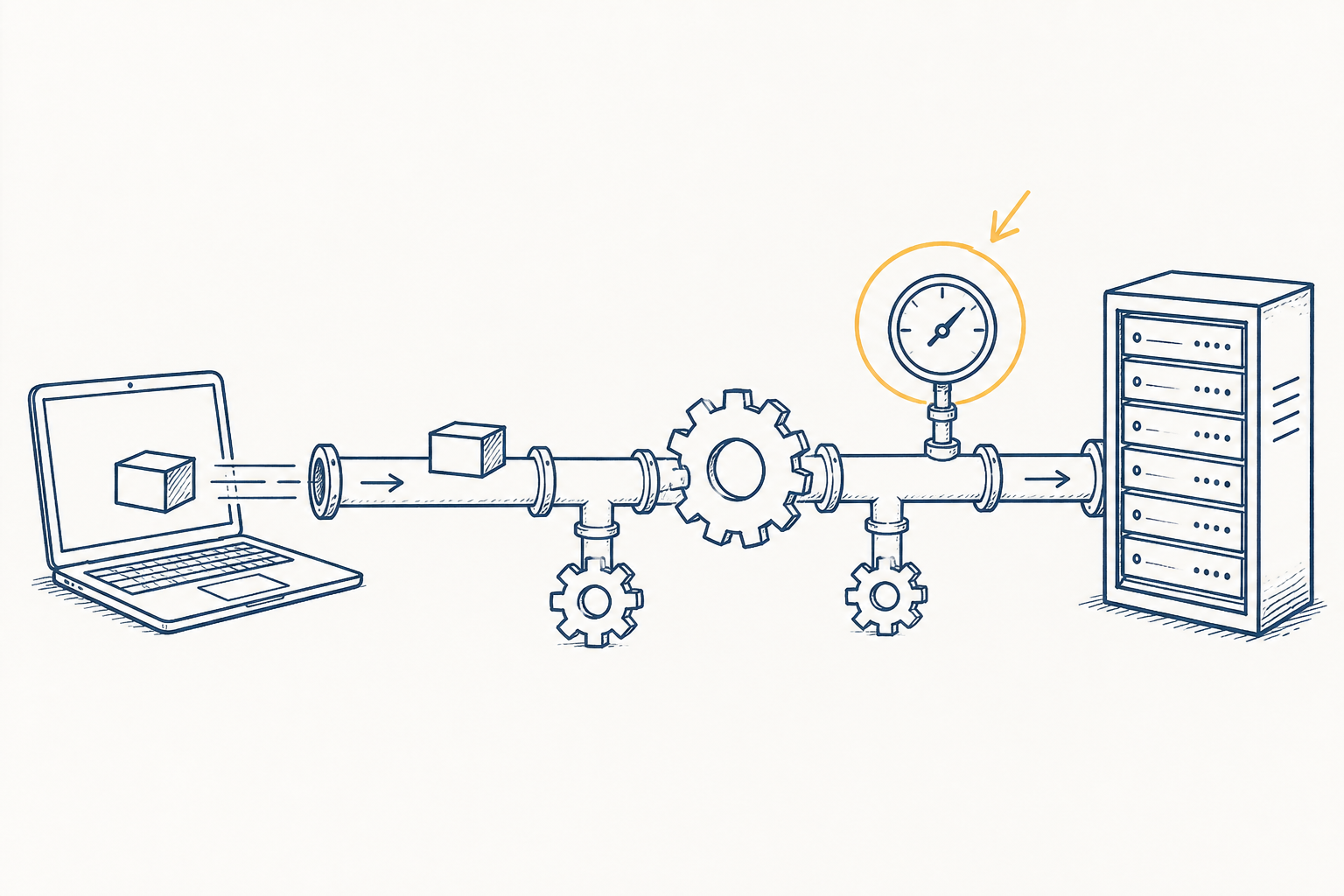
- What is MLOps in Easy Words MLOps is the plumbing that makes AI work in production. It is how you deploy models, monitor them, retrain them when they drift, and make sure they do not break at 3 AM. Here is what it is and why every AI system needs it.
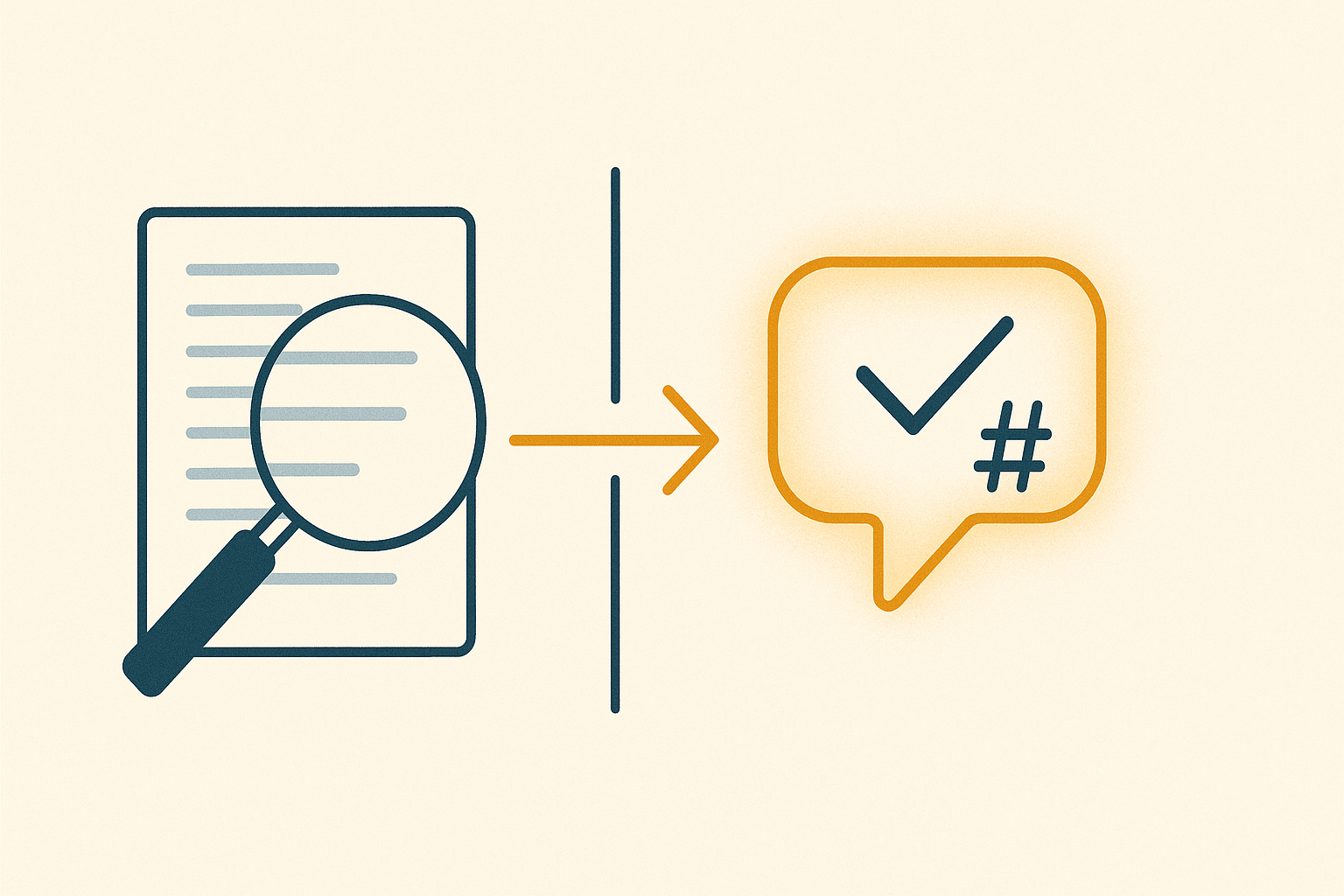
- What is GEO (Generative Engine Optimization) in Easy Words GEO means optimizing your content so AI engines like ChatGPT, Perplexity, and Google AI Overviews cite you when they answer questions. It is the new SEO. Here is how it works, why it matters, and what to do about it.
- What Does a Chief AI Officer Actually Do? A Chief AI Officer is not a VP of IT with a new title. The role is about deciding where AI creates business value, building the systems that deliver it, and governing the risks. Here is what the job actually involves, and why most companies get the hire wrong.

- The AI Glossary: Every Term Explained in Plain English RAG, LLM, embeddings, fine-tuning, agents, MLOps, GEO: every AI term you need to understand, defined in two sentences and explained in plain English. Bookmark this page.