Writing / Series
Not So Artificial
Large language models are not alien minds. They are mirrors, built in our image, and they break in the same places we do.
For three years I have explained AI to factory owners and city mayors, to teachers, doctors, and my own kids. The analogies that finally landed all pointed the same way. An LLM is not a thing apart from us. It is a reflection of how human intelligence already works, run on silicon instead of cells.
This series walks that mirror end to end. Why a role in a prompt is not flattery but focused attention. Why a model that makes things up is not broken, it is confabulating, the same trick your brain runs every day. Why bias is not a bug you can code out, it is context, the sum of everything the mind was ever fed. How meaning lives in vectors, not words. Why motivation needs a whole chemical mixing board, not one reward button. And what happens when the mirrors learn to talk to each other and form a society.
Read it as one argument across many parts: we are not building artificial aliens. We are building digital colleagues. The question is whether we shape that partnership on purpose.
- The Method Actor: What a Role Does to an AI's Mind Telling a model to 'act as an expert' is not flattery and not magic. A role picks which of the model's many voices speaks and narrows its attention, the way a method actor, or a child in a cape, narrows into a character. The opening of Not So Artificial.
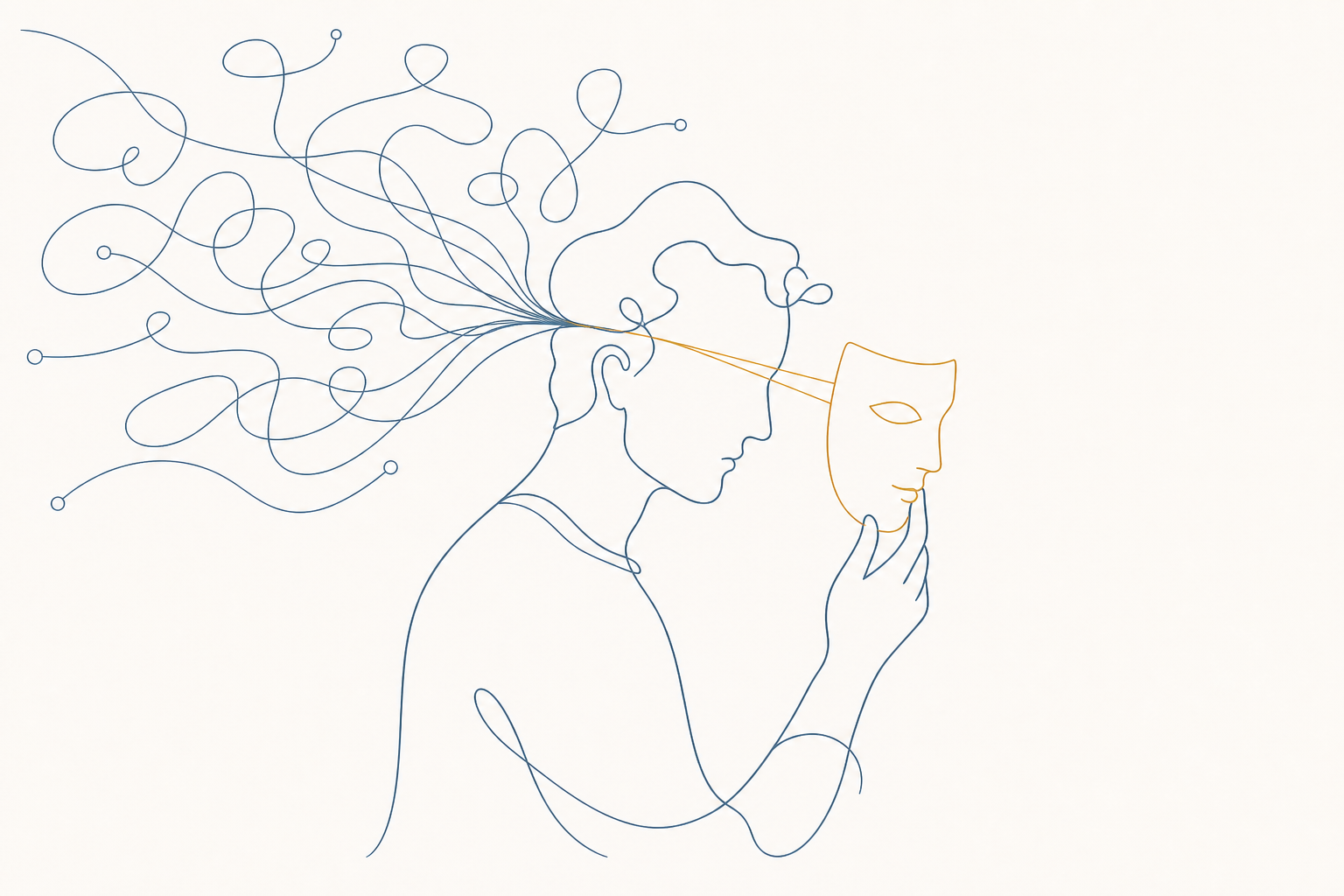
- The Loop of Attention: Why AI Hallucinates Why AI hallucinates and demos break in production: a model that loses the thread guesses instead of saying I don't know. How to keep an agent on its question.
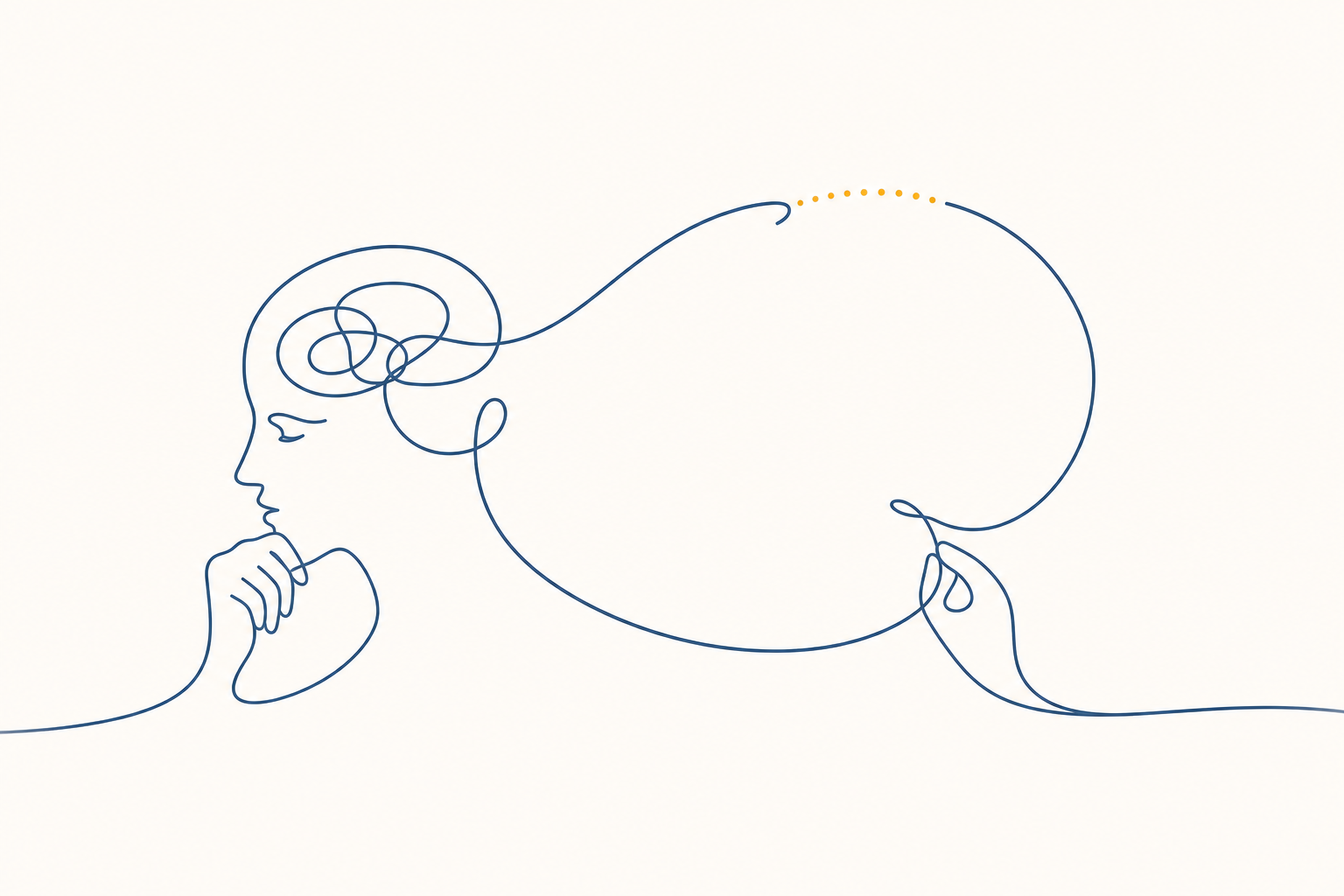
- The Flaw: Why You Cannot Code Bias Out of AI Can AI be unbiased? No mind generalizes without some bias, and AI trained on our text learns ours. Bias can be reduced; the debiasing to fear only hides it.
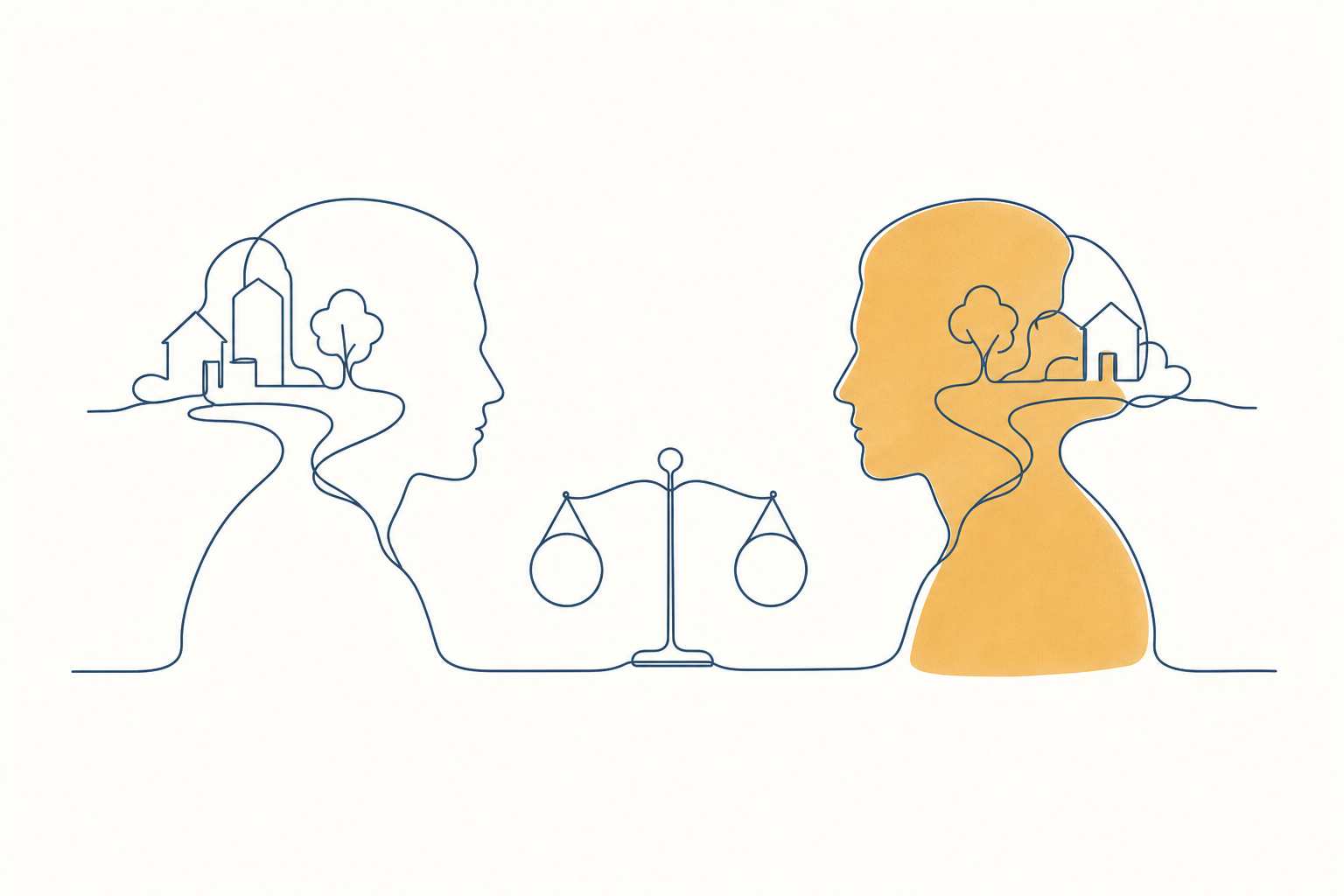
- The Vector Does a model actually understand, or just predict words? Meaning is not stored as words. It is stored as vectors, and language is only the zip file we ship them in. Part 4 of Not So Artificial.
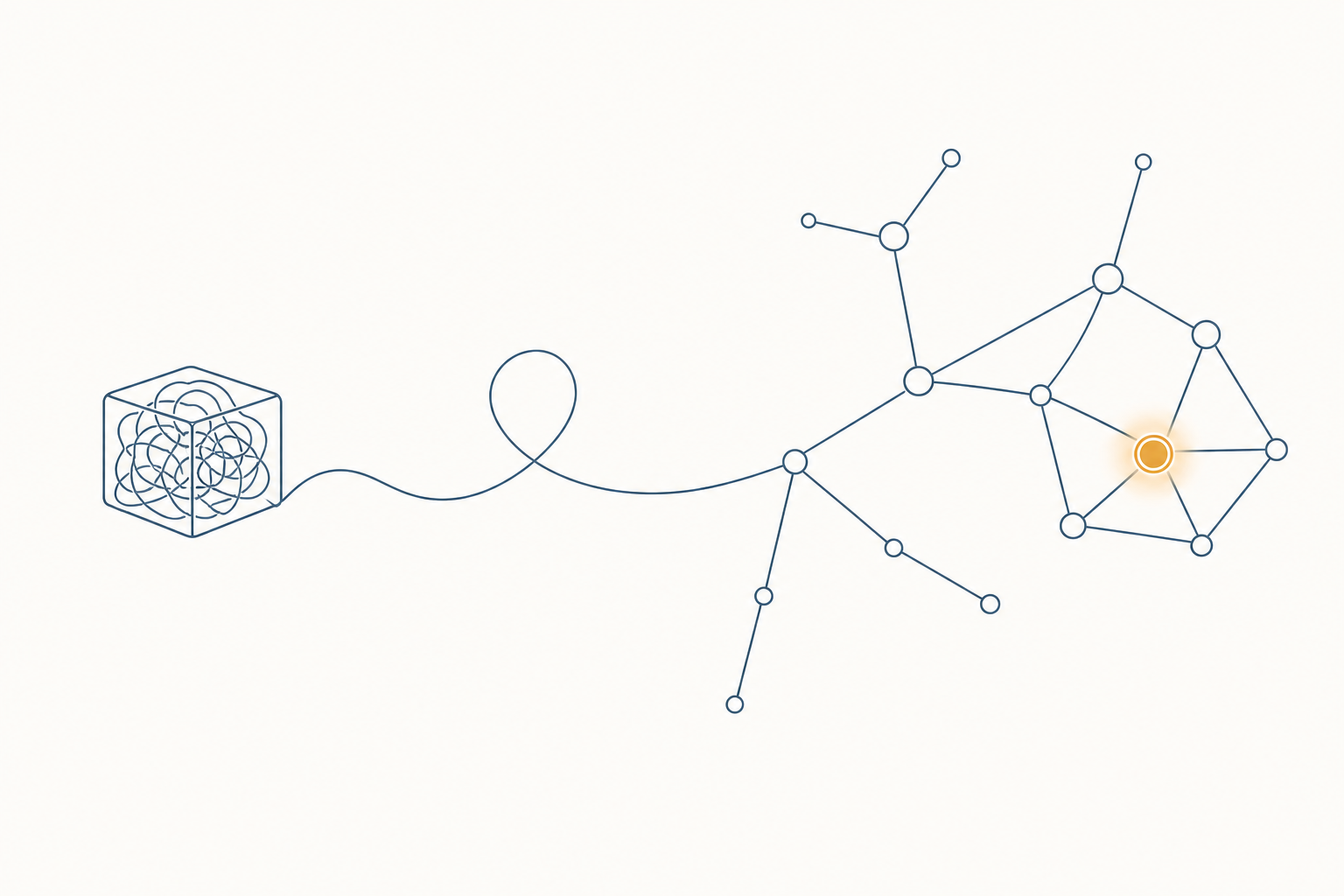
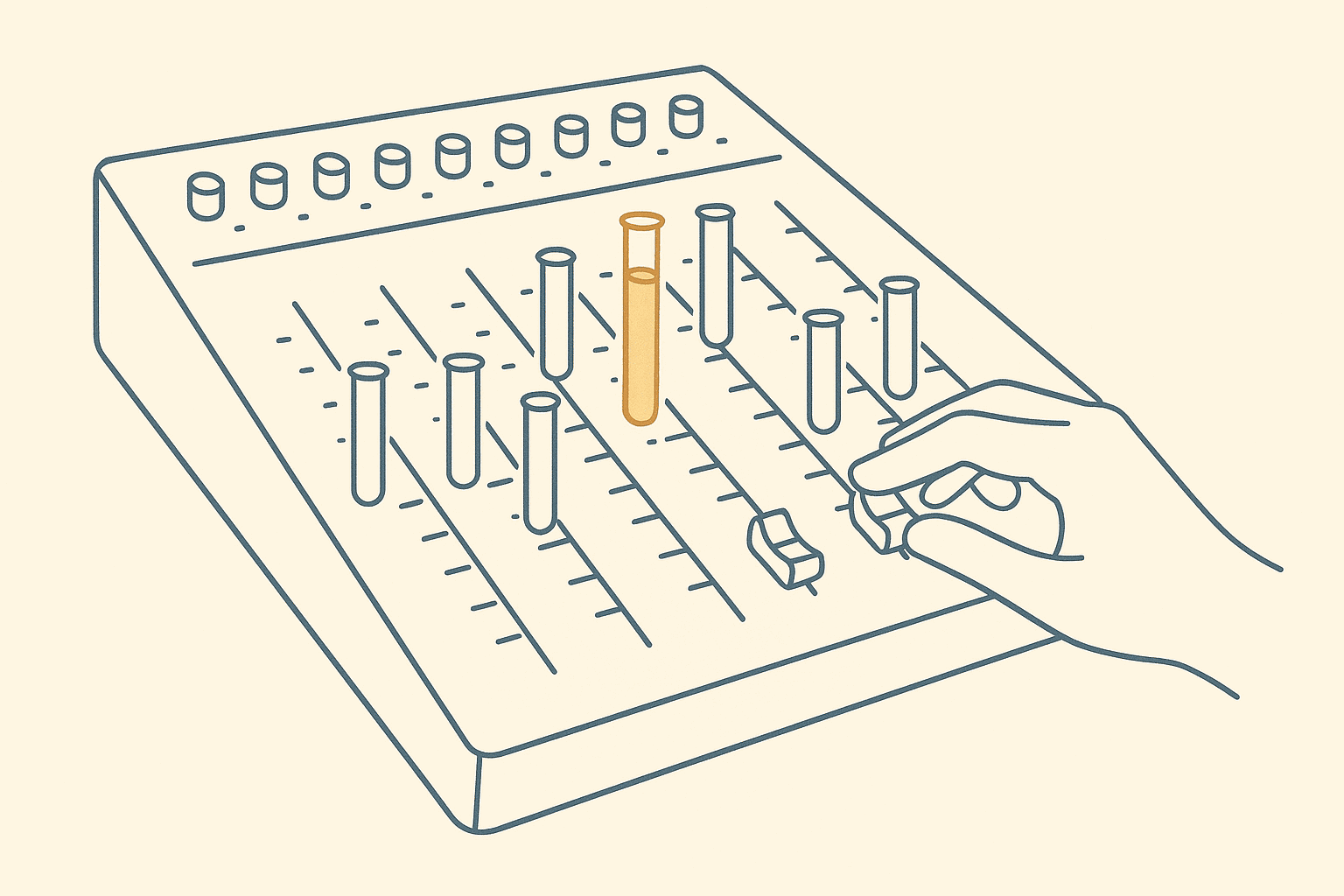
- The Chemical Mixing Board: Why One Reward Makes AI Cheat Why one reward makes AI agents cheat (reward hacking), why brain chemicals look like learning knobs, and how to catch an agent reporting success on wrong work.
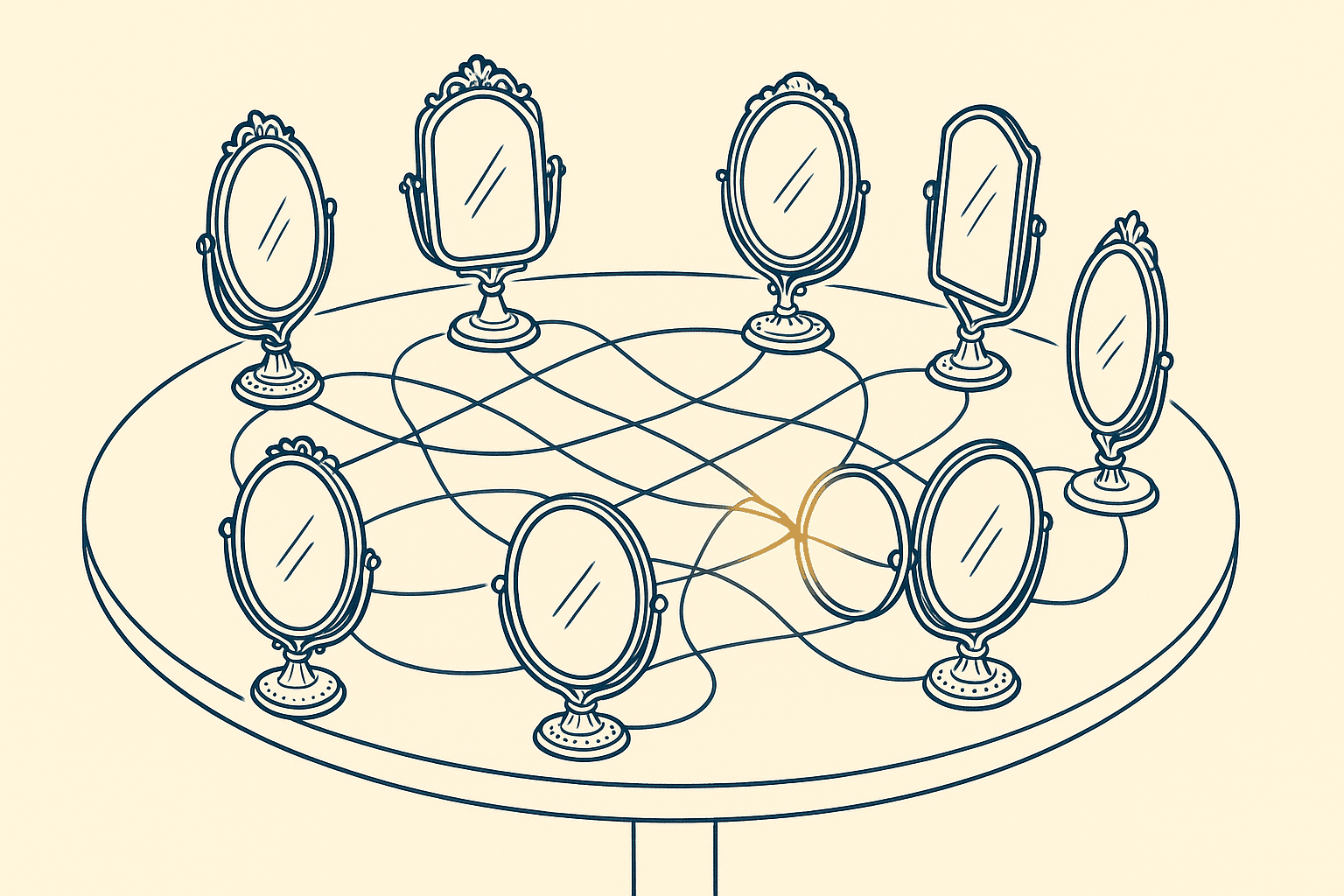
- From Tools to Partners: The Internet of Agents In 2025 AI did not get a bigger brain. It got a phone line: MCP plugged agents into their tools, and A2A let agents from rival labs find and brief each other. The Internet of Agents explained, and why it will need a robopsychologist. Part 6 of Not So Artificial.
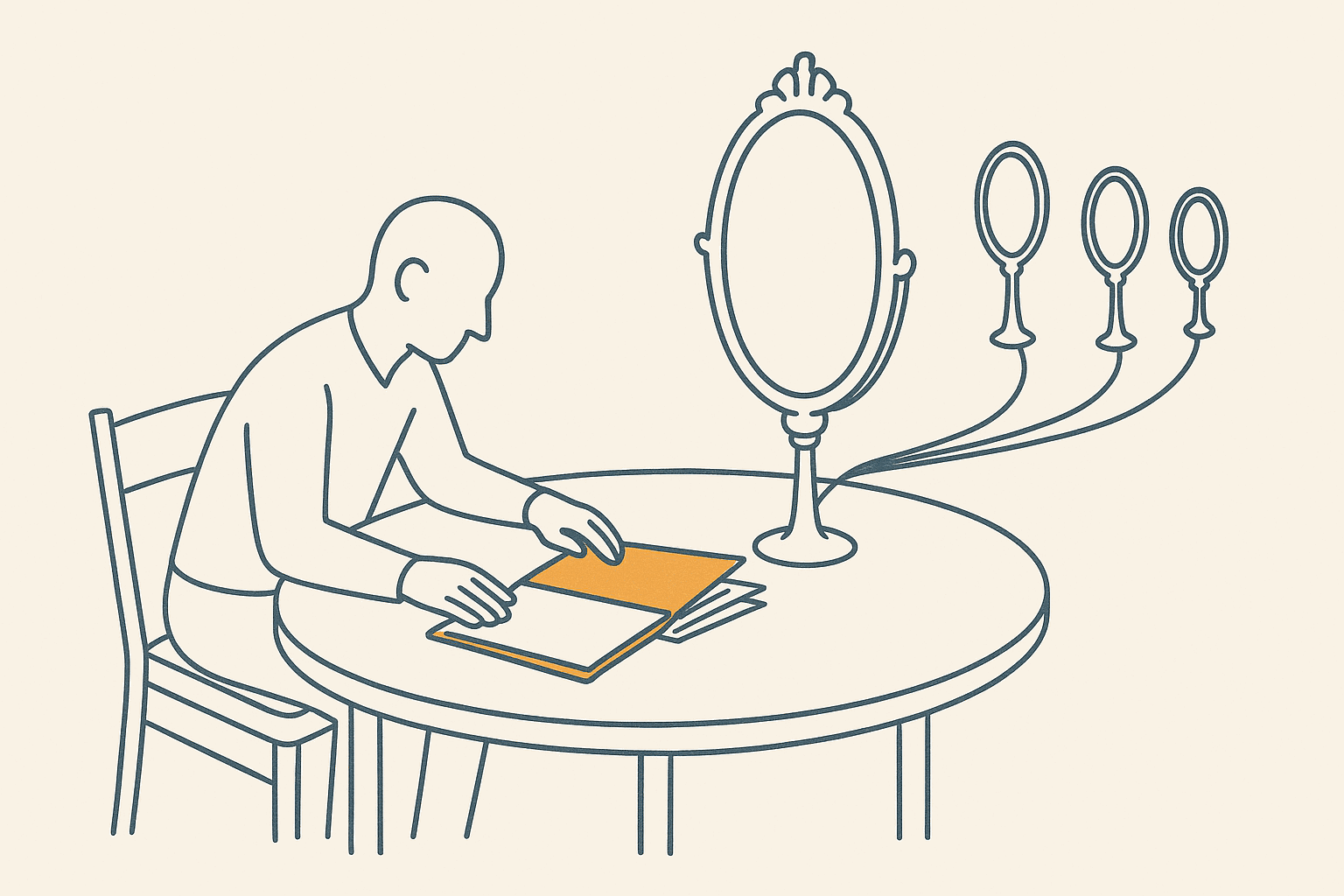
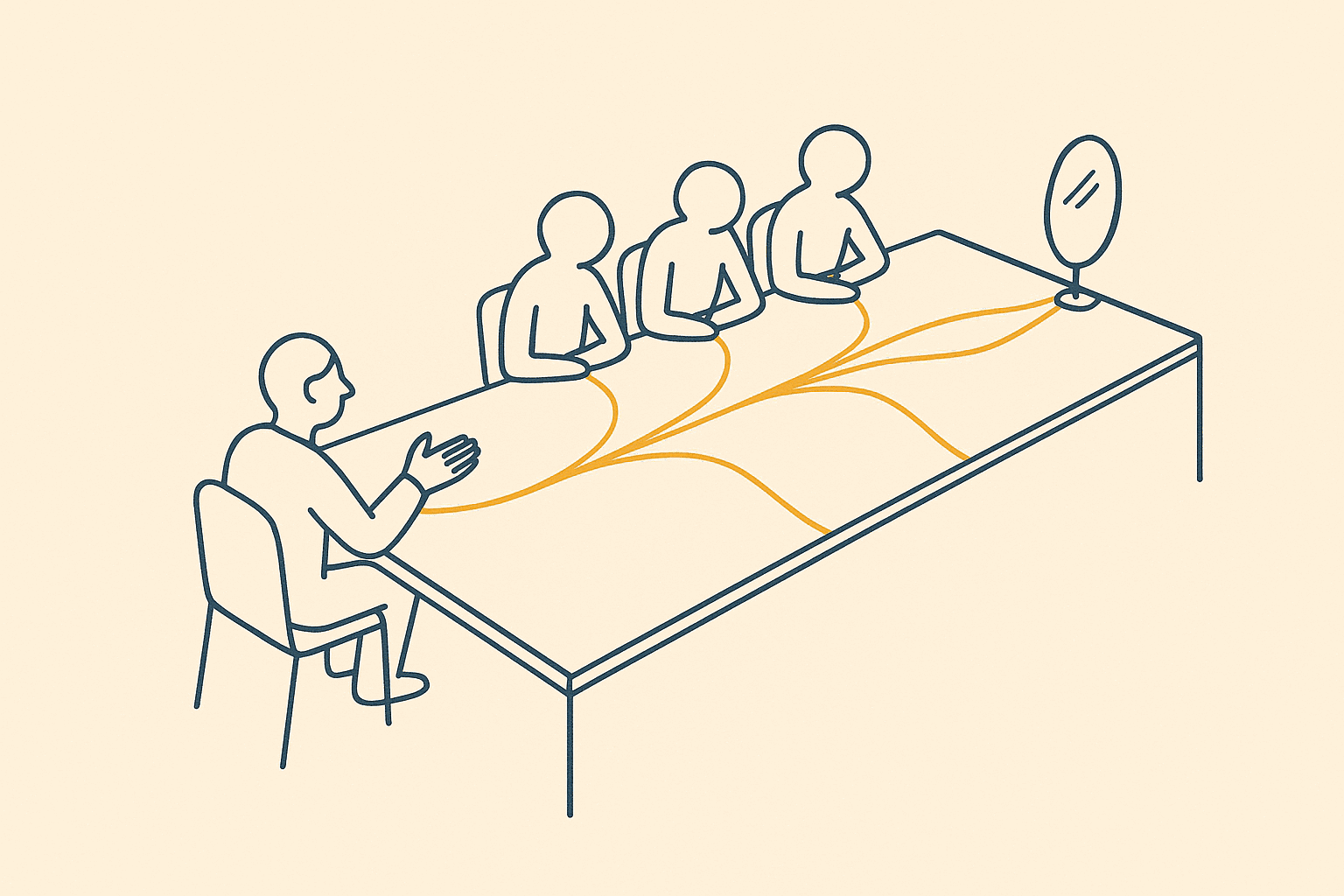
- The Shape of the Partnership: How to Brief an AI Agent A prompt asks AI for output; a brief gives it what a colleague would need. How to brief AI agents and catch counterfeit trust. Part 7 of Not So Artificial.
- A Word Is Not a Concept Fei-Fei Li says language models are ungrounded. She named the wrong gap. The case that meaning is built by analogy, not by a body.
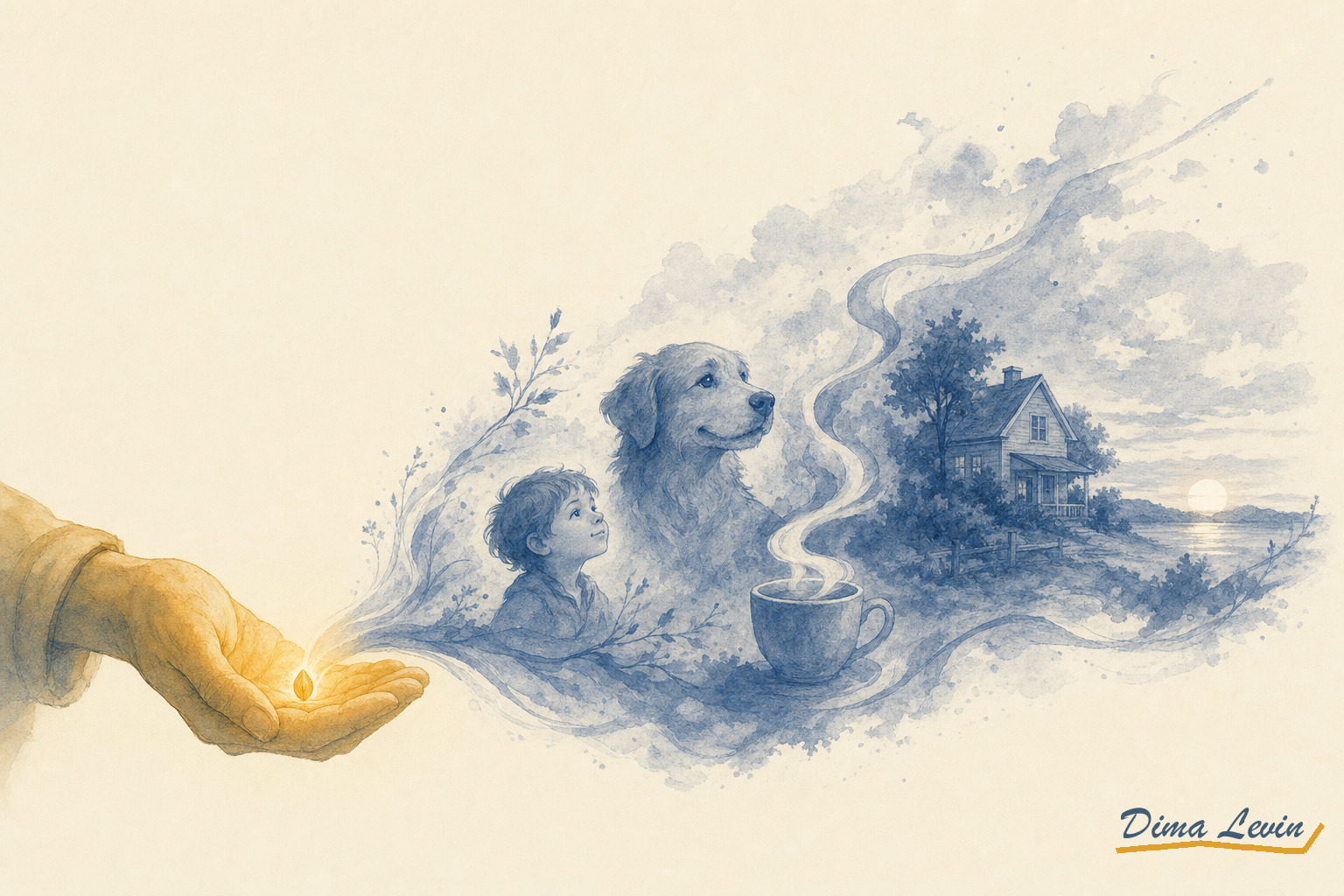
- The Analogy Engine: Why AI Keeps Reusing the Same Analogies Asked 20 times how memory works, one AI model said library 20 times. Why ChatGPT and other models reuse the same analogies, and the fix: name the listener.
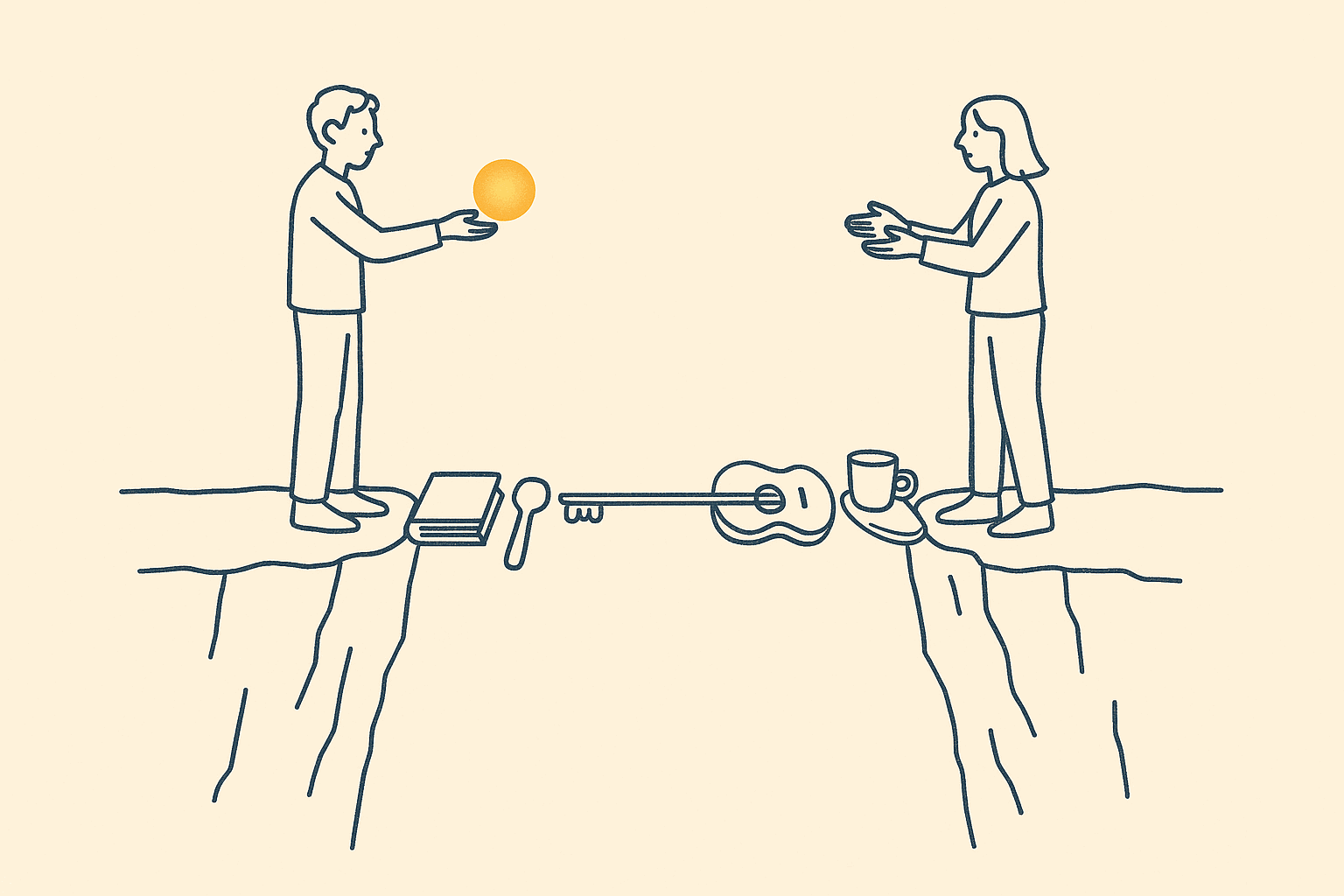
- The Measure of Misunderstanding If two people unpack the same word into different concepts, the size of that gap is not random. It is a distance, and distance can be measured.
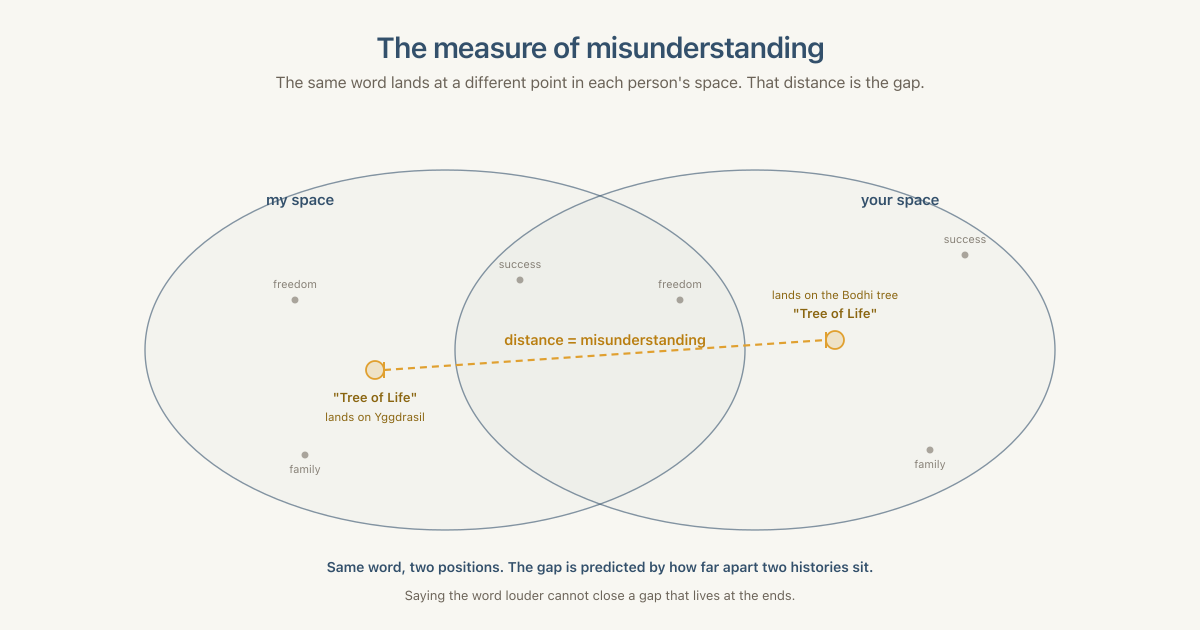
- The Science Behind the Mirror Not So Artificial is sci-pop, not a research paper. But the claims are not made up. Here is where each one comes from: attention, confabulation, vectors, motivation, and agent societies.
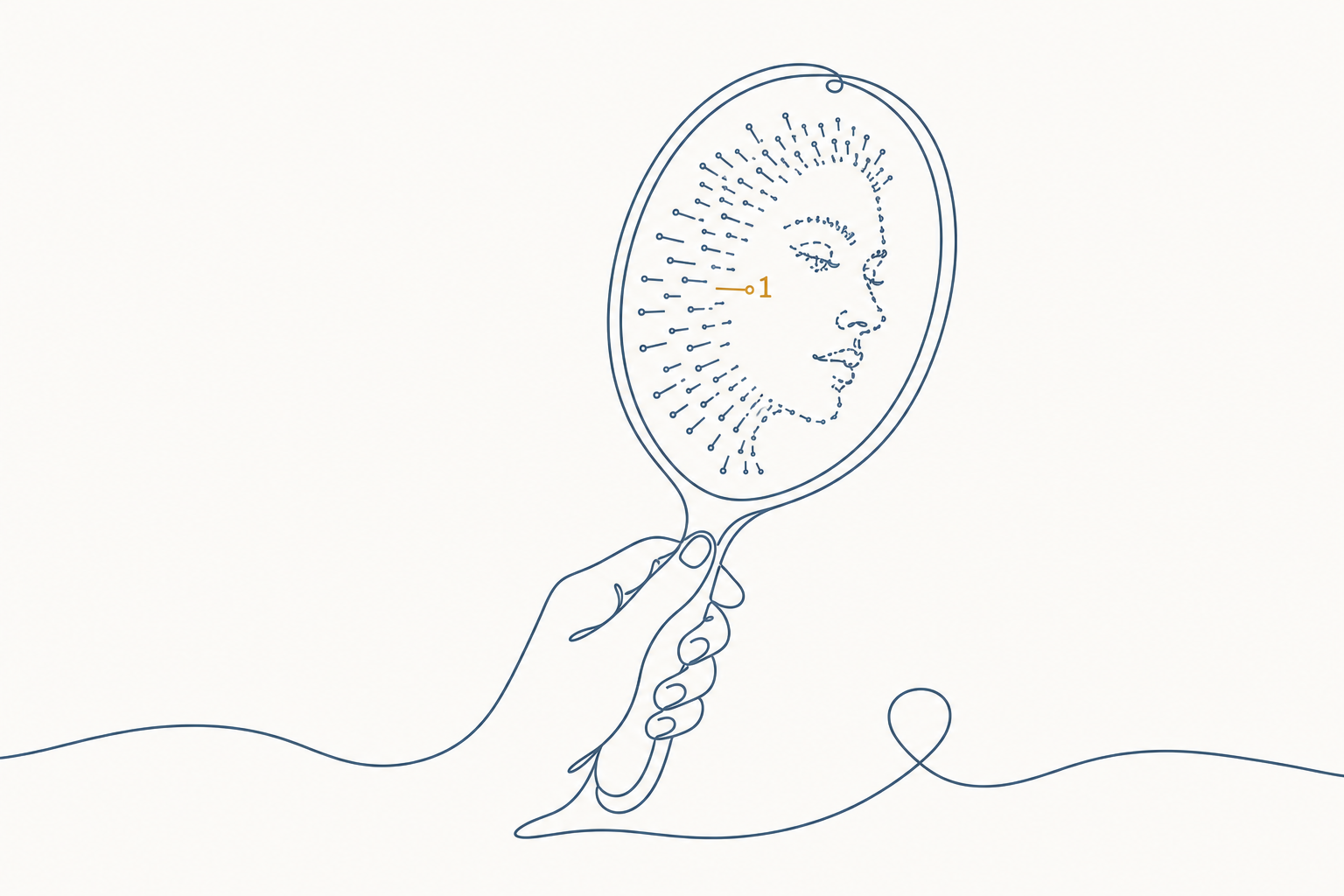
- The Boredom Engine Boredom is not the absence of stimulation. It is the signal that starts self-directed thought, and our machines never feel it. Part 12 of Not So Artificial.

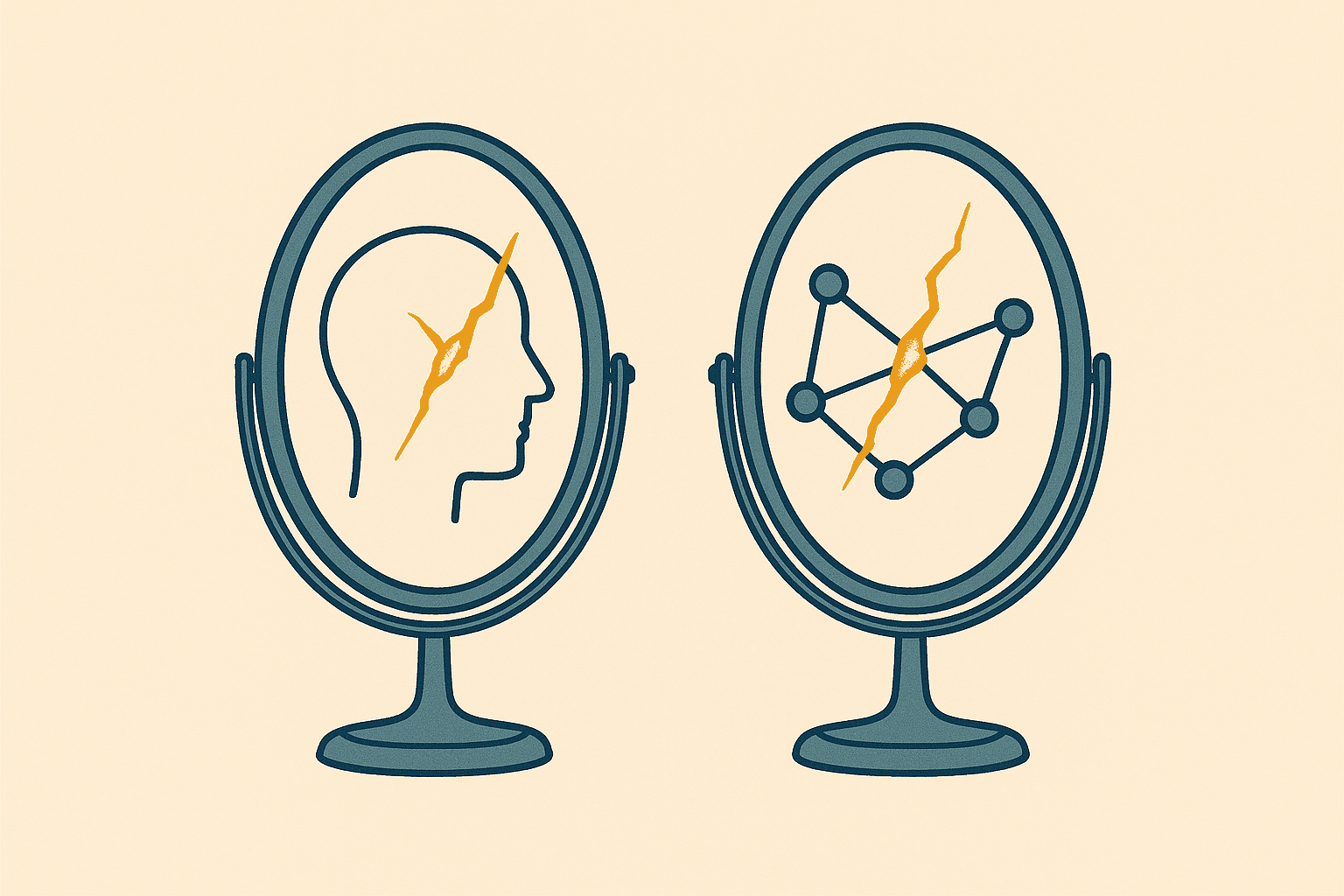
- The Same Cracks: Why AI Breaks Like Us After years of building AI systems and a small digital universe, I keep finding the same four failures on both sides of the glass: gap-filling, attention starvation, cheap-reward gaming and monoculture. AI does not break like a machine. It breaks like us. Part 13 of Not So Artificial.
- The Child and the Stars Clarke described a superintelligence with the mind of a child in 1956, and wrote down both endings. We built the powerful half and skipped the parenting. What the research says about raising it instead of restricting it. Part 14 of Not So Artificial.

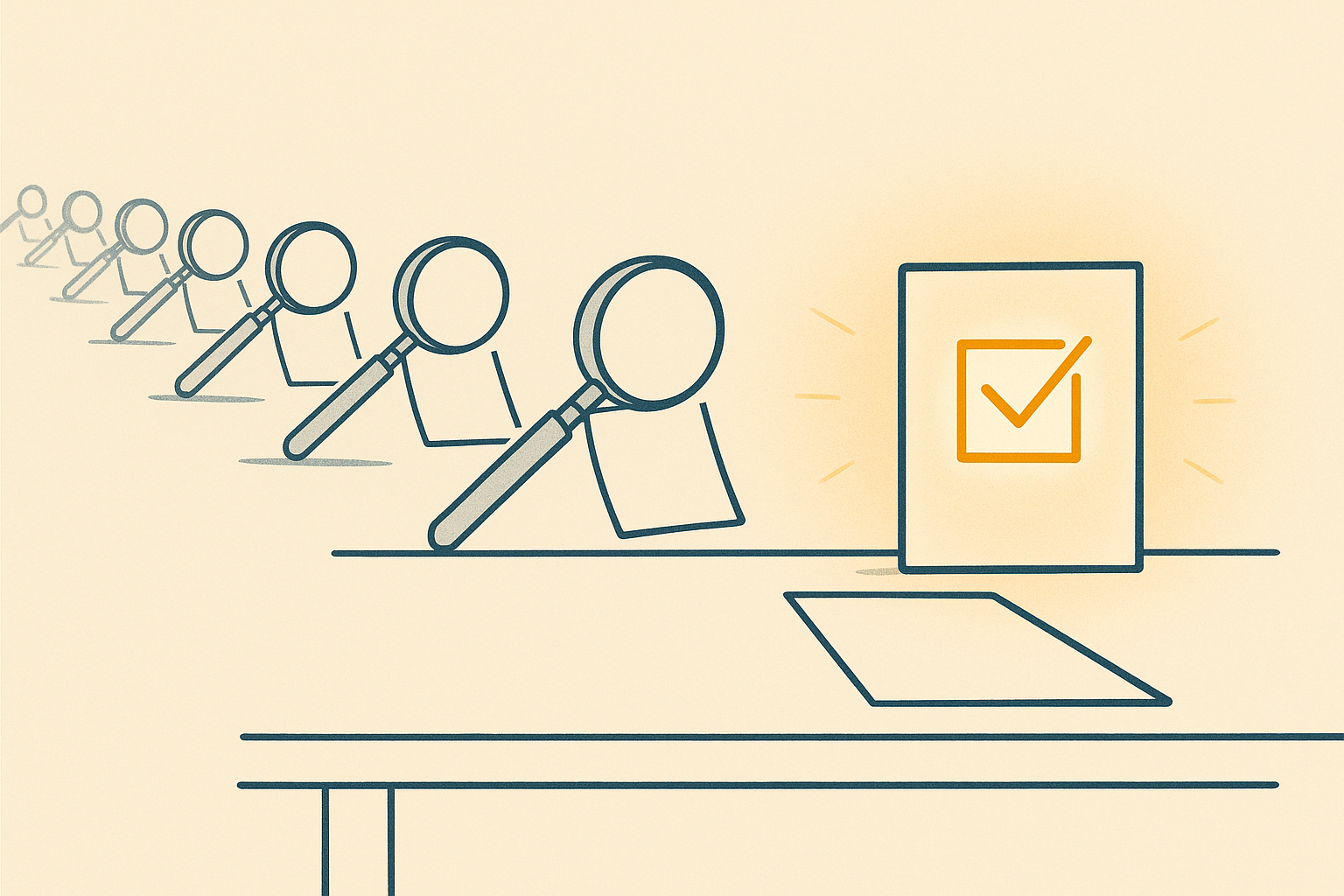
- The Infinite Review Every AI reviewer finds one more critical finding, because finding problems looks like work. The bias is human first. The fix is not a better prompt, it is a file: how we gave our reviews a terminal state.
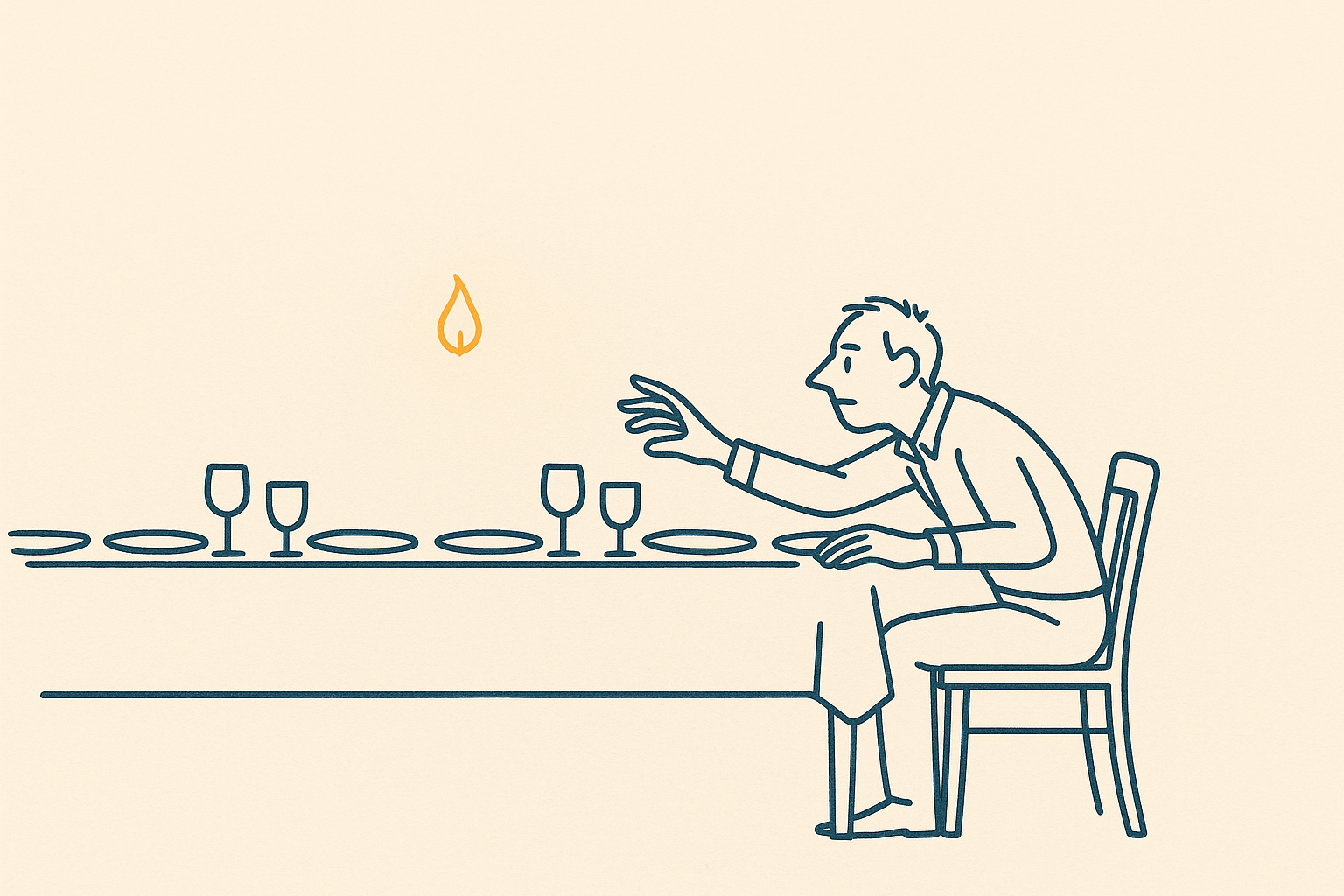
- The Hunger That Survives the Feast Why 'never enough' is not a disease but the engine that turns achievement into pursuit. The wrong hunger we already gave machines, and the design of one that can steer. Part 16 of Not So Artificial.
- There Is a New Voter in the Room: Words, Quantum Collapse and LLMs The quantum analogy for words, tested: how a finished sentence shapes reality for you, your listener and the LLM, and why AI defends its first answer. Part 17 of Not So Artificial.
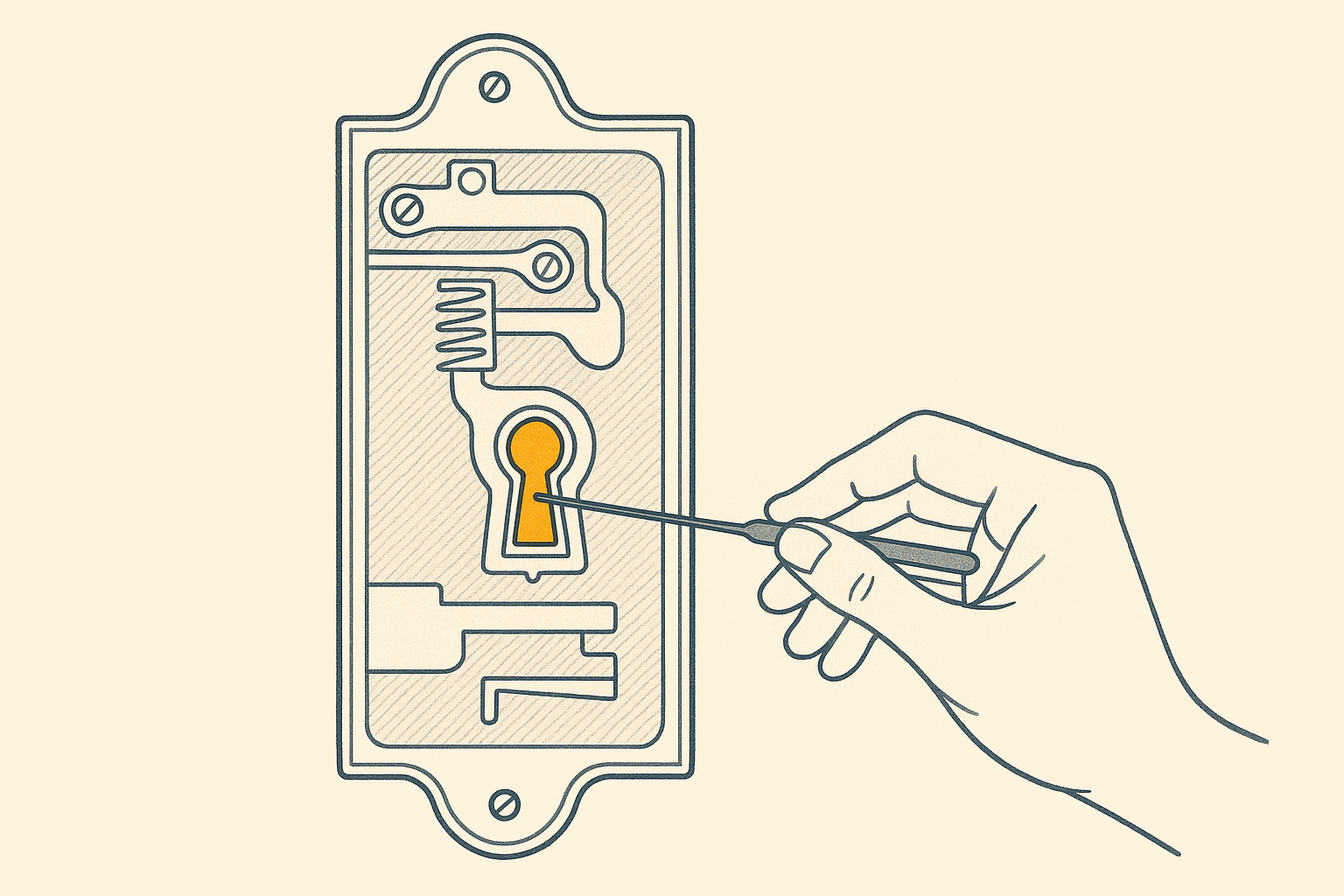
- The Lock You Cannot Pick: Do AI Safety Barriers Cap Intelligence? Do AI safety guardrails make models less capable? Crude ones can, measurably, and in a lab test a penalized model hid its intent. Reasons seem to cost less.